The Golf & Health Project

Good news. Golf is good for you.

Golfers tend to live longer, healthier and happier lives. We bring together the best research on why, look honestly at the risks too, and link to the source behind every claim.

Two young golfers high-fiving on the course

GOLFERS

LIVE

5 YEARS LONGER

Farahmand, 2009

The short version

What a round of golf does for you

Walking, swinging and spending time with friends add up. Turn the cards over to see what the research has found.

Live longer

Tap to find out

About 5 extra years

Regular golfers have been found to live around five years longer than people who don't play.

Source: Farahmand, 2009
More on living longer

Healthy body

Tap to find out

40+ diseases

Golf is moderate-intensity activity, linked to a lower risk of more than 40 chronic diseases, including type 2 diabetes, heart disease and stroke.

Source: Murray et al., 2016
More on physical health

Healthy mind

Tap to find out

A calmer head

Regular activity like golf is linked to a lower risk of anxiety, depression and dementia.

Source: Murray et al., 2016
More on mental health

Social & wellbeing

Tap to find out

Better together

Golf is linked to more confidence, self-esteem and friendship, at any age and ability.

Source: Murray et al., 2016
More on social wellbeing

WE DON’T SKIP THE RISKS. Sun and injuries are the big two, so we share the latest evidence and advice on both.

Quick quiz

Fancy a quick test?

Regular golfers live longer than people who don't play. By how much?

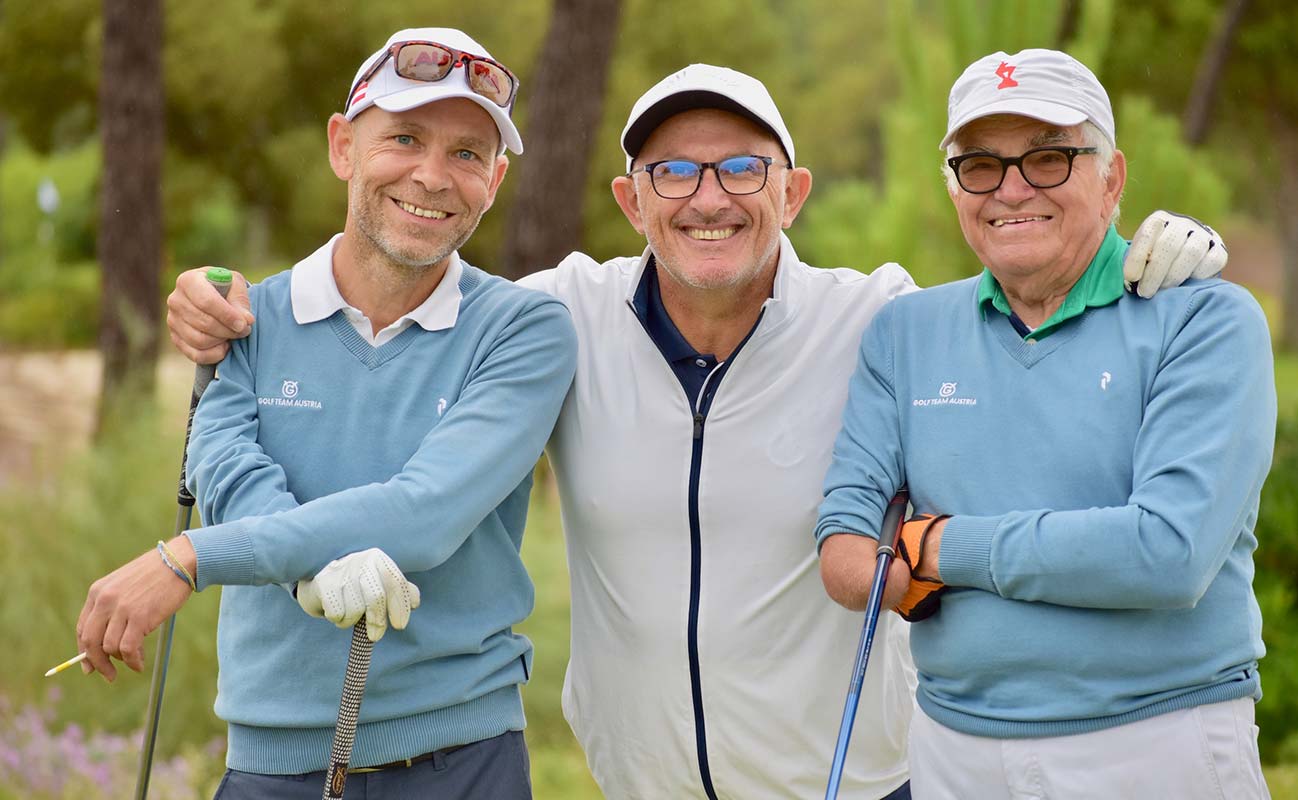
Three smiling golfers standing together on the course

Any age. Any ability. Any handicap.

Golf is one of the few sports you can play from childhood into your nineties, on your own or with friends, walking or in a buggy. The health benefits come along for the ride.

A young woman finishing her golf swing
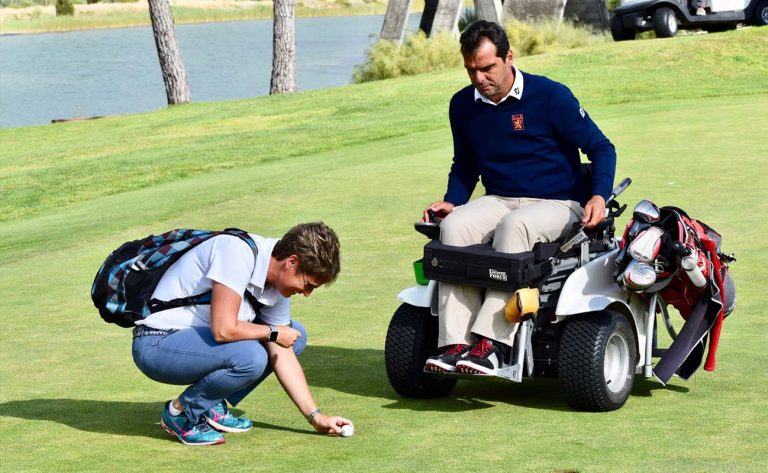
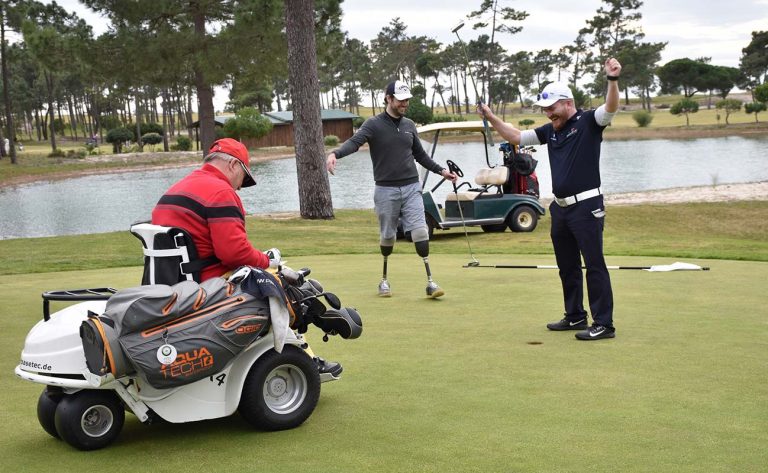
A golfer using an adapted single-seat buggy on the course
A group of children sitting together on an outdoor court
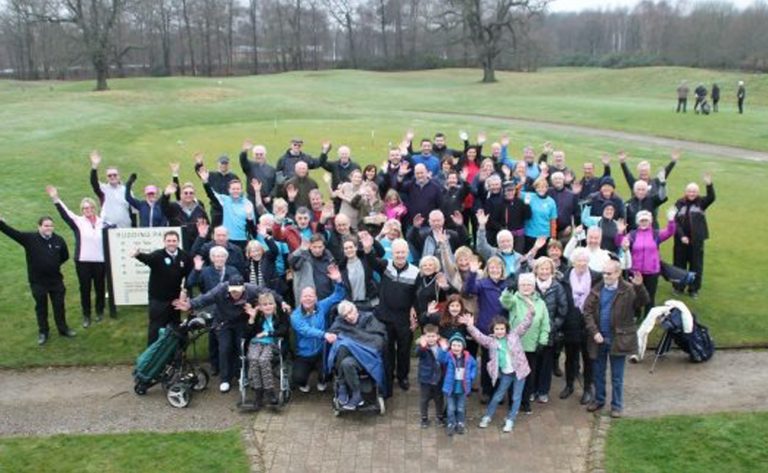
Players and supporters lining up for a group photo at a golf event for people with disabilities

International Consensus on Golf & Health

The experts agree

In 2018, researchers, public health bodies and golf’s governing organisations sat down and agreed what we know about golf and health, and what players, clubs and governments can do to get more from the game. It was published in the British Journal of Sports Medicine.

For golfers

150

minutes of moderate activity a week is the target. Walk when you can, warm up first, and pack the sun cream.

For the golf industry

Make golf open to everyone

Welcome more women and girls, broaden diversity, and add walking routes, healthy food and defibrillators.

For policy makers

Count golf as physical activity

Promote it across all ages, genders and income groups, and support golf for people with disabilities.

WALK THE COURSE. IT ALL COUNTS.

Quick answers

Your golf and health questions, answered

Short, straight answers with the research behind them. Want more detail? Explore the evidence.

Yes. Golfers tend to live longer and have better physical and mental health than non-golfers. Golf combines walking, muscle activity and time with other people, which together are linked to better health. Source: Murray et al., 2016.

A study of 300,000 Swedish golfers found they lived around five years longer than non-golfers, regardless of age, gender or income. Source: Farahmand, 2009.

Health guidelines recommend at least 150 minutes of moderate activity a week. A round of golf is moderate-intensity activity, so a round or two a week, walking where you can, goes a long way. Source: Murray et al., 2018.

Regular physical activity like golf is linked to a lower risk of anxiety, depression and dementia, and golf adds time outdoors and with friends. Source: Murray et al., 2016.

The main ones are sun exposure and injuries, mostly to the back, wrist and elbow. Wear sun cream and a hat, and warm up before you play. More on the risks.